



Soccer-Liverpool’s Van Dijk rejects criticism of training
van dijk rejects criticism Key Takeaways
Virgil van Dijk has publicly dismissed suggestions that Liverpool’s training methods are to blame for their disappointing defeat to Manchester United.
- van dijk rejects criticism of the club’s training regime, calling it “easy to point fingers” after a loss.
- The defeat to Manchester United exposed tactical and individual errors rather than fitness or preparation gaps.
- Analysts suggest the reaction signals internal unity, but scrutiny on Liverpool’s system will intensify in the coming fixtures.
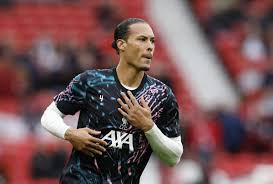
Table of Contents
What Sparked the van dijk rejects criticism Reaction?
Following Liverpool’s 2-1 loss at Old Trafford, a wave of external analysis questioned whether the club’s training intensity had dropped. Some pundits pointed to a perceived lack of sharpness in the final third and sluggish defensive transitions as evidence.
Van Dijk, speaking in the mixed zone after the match, made it clear that he does not accept that narrative. “We don’t look at training and think something is wrong,” he said. “It’s easy to point at that when you lose a big game. The reality is we had chances and we didn’t take them. That’s not about the work we put in during the week.” That’s what makes this Malaysia vs China badminton final so compelling. For a related guide, see Atletico Aim To Show Alvarez Their Ambition In Arsenal Semi.
Context Behind Liverpool’s Defeat to Manchester United
Sunday’s fixture was billed as a litmus test for both sides. Manchester United capitalised on two set-piece opportunities, while Liverpool dominated possession but struggled to convert clear openings. The loss leaves Liverpool in fifth place, six points behind league leaders Arsenal, with a tricky run of fixtures ahead.
It was not the first time this season that Liverpool have dropped points while controlling large spells of play. Against Crystal Palace and Brighton earlier in the campaign, similar patterns emerged: high territorial dominance but a lack of ruthlessness in the box. This recurring theme has led some commentators to question whether Arne Slot’s high-volume training load is leaving players mentally or physically flat on match day.
Why the Training Regime Question Keeps Arising
The criticism is not entirely new. Under Jürgen Klopp’s tenure, Liverpool’s famously demanding “gegenpressing” sessions were occasionally cited as a factor in second-half slumps. With Slot now at the helm, the system has evolved toward a more controlled, possession-based game, but training metrics remain among the highest in the league.
Sports science data from multiple outlets shows Liverpool’s weekly high-intensity running distances still rank in the top three of the Premier League. However, Van Dijk argues that correlation does not equal causation. “We run a lot, yes. That’s how we play. But if you look at the goals we conceded, it wasn’t because we were tired. It was decision-making in the box.”
Key Moments That Shaped the Match Narrative
To understand why the training narrative gained traction, it helps to look at the decisive sequences. United’s first goal came from a corner where Liverpool failed to track a late runner. The second stemmed from a quick counter-attack after a misplaced pass in midfield. Neither moment involved obvious fatigue or poor physical preparation.
- Set-piece vulnerability: Liverpool have now conceded from three set-pieces in their last four away games.
- Conversion rate drop: The team registered 2.1 expected goals but only found the net once.
- Midfield transition: Ryan Gravenberch and Alexis Mac Allister were overrun in transition moments, a pattern that has recurred against top-half sides.
Van Dijk’s van dijk rejects criticism stance is partly a protective move for his teammates. “We are together in this. Blaming the training staff is not fair,” he added. “We have to look at ourselves as players and do better in the decisive moments.”
Tactical Adjustments Slot Could Consider
While the captain has publicly backed the training approach, internal discussions at the AXA Training Centre are likely centring on small tactical tweaks rather than wholesale regime changes. Analysts suggest three immediate areas for improvement:
- Set-piece defensive structure — zonal marking assignments need clearer communication from the back line.
- Midfield pressing triggers — the team is pressing in a high block but leaving gaps between the lines when bypassed.
- Final-third variability — opponents are reading Liverpool’s wide overloads and crowding the box, requiring more unpredictable runs from deep.
Implications for Liverpool’s Season Ahead
The way the squad has responded to the defeat — and to the external noise around training — will be tested in the next two league matches, which come against in-form Aston Villa and a resurgent Chelsea side. A positive reaction could quieten the critics. Another disjointed performance may reignite questions about preparation.
Van Dijk’s public rejection of the criticism serves to reset the external conversation around the team’s identity. By framing the issue as one of execution rather than preparation, he shifts the responsibility back onto the players. That can be a powerful internal motivator, but it also increases the pressure to deliver results on the pitch.
What Fans and Pundits Should Watch Next
The key metrics to monitor over the coming weeks are not training load figures but set-piece concession rates and shot conversion percentages. If those improve, the training question will fade. If they do not, the spotlight will return — and Van Dijk’s defence of the regime will be remembered as a decisive moment in the season narrative.
Useful Resources
For deeper analysis of Liverpool’s tactical setup and training methodologies, these resources offer expert perspectives:
- The Athletic — Liverpool FC tactical breakdowns — detailed match reports and data-driven analysis from Premier League insiders.
- Sky Sports — Premier League match analysis and stats — official broadcast partner with post-match data and expert pundit reactions.
Frequently Asked Questions About van dijk rejects criticism
What did Virgil van Dijk say about the training criticism?
Van Dijk said it is “easy to point fingers” at training after a defeat and insisted the regime is not the problem. He highlighted decision-making and execution as the real issues.
Why are people criticising Liverpool’s training regime?
After a string of matches where Liverpool dominated possession but lost or drew, some pundits questioned whether training intensity or volume is leaving players flat on match days.
Who is the Liverpool manager currently?
Arne Slot is Liverpool’s head coach, having taken over after Jürgen Klopp’s departure at the end of the 2023/24 season.
Did Liverpool lose to Manchester United at Old Trafford?
Yes, Liverpool lost 2-1 in a Premier League fixture that saw United score twice from set-piece situations.
Is Van Dijk the captain of Liverpool?
Van Dijk is the club captain for the 2024/25 season, having taken the armband following Jordan Henderson’s departure.
What was the final score between Liverpool and Manchester United?
The match finished 2-1 in favour of Manchester United.
Has Liverpool’s training been criticised before?
During the Klopp era, the high-intensity “gegenpressing” sessions were occasionally cited as a factor in late-season fatigue, but the club’s sports science team consistently defended the approach.
What is Liverpool’s position in the Premier League table?
After the defeat to Manchester United, Liverpool sit in fifth place with 15 points from eight games.
How did Manchester United score their goals?
United scored from a corner kick and a fast counter-attack that caught Liverpool’s midfield out of shape.
Does Van Dijk think Liverpool’s tactics are wrong?
No. Van Dijk backed the tactical approach and training methods, attributing the loss to individual errors and poor decision-making in critical moments.
What did Van Dijk say about the team’s unity?
He emphasised that the squad is united and that blaming the coaching or training staff is not fair. He called for collective accountability.
Will Liverpool change their training methods after the loss?
Van Dijk’s comments suggest no major overhaul is planned, though internal tactical refinements around set pieces and pressing triggers are likely.
What is Liverpool’s next match after the Man United defeat?
Liverpool’s next Premier League fixture is against Aston Villa at Anfield.
How many goals has Liverpool conceded from set pieces this season?
As of the Man United match, Liverpool have conceded five goals from set-piece situations across all competitions, three of which came away from home.
Who criticised Liverpool’s training publicly?
Several former players and pundits on Sky Sports and BBC’s Match of the Day raised the question, though no single individual led the narrative.
Is van dijk rejects criticism a common take from a captain?
Yes. Captains often deflect blame away from the coaching staff to protect group morale and focus on collective performance improvements.
How did Liverpool fans react to Van Dijk’s comments?
Reaction on social media was mixed. Many supporters backed the captain’s stance, while others want to see tactical changes implemented quickly.
What is the main difference between Slot’s training and Klopp’s?
Slot’s sessions emphasise controlled possession and positional play, whereas Klopp’s were built around high-intensity pressing and rapid transitions.
Did Van Dijk say anything about Manchester United’s performance?
He acknowledged United’s efficiency in key moments but did not offer extensive praise, focusing instead on Liverpool’s own shortcomings.
What should fans expect from Liverpool in the next few games?
Fans can expect a response in terms of energy and focus, particularly on set-piece defending and finishing, with the squad aiming to bounce back with two home wins.